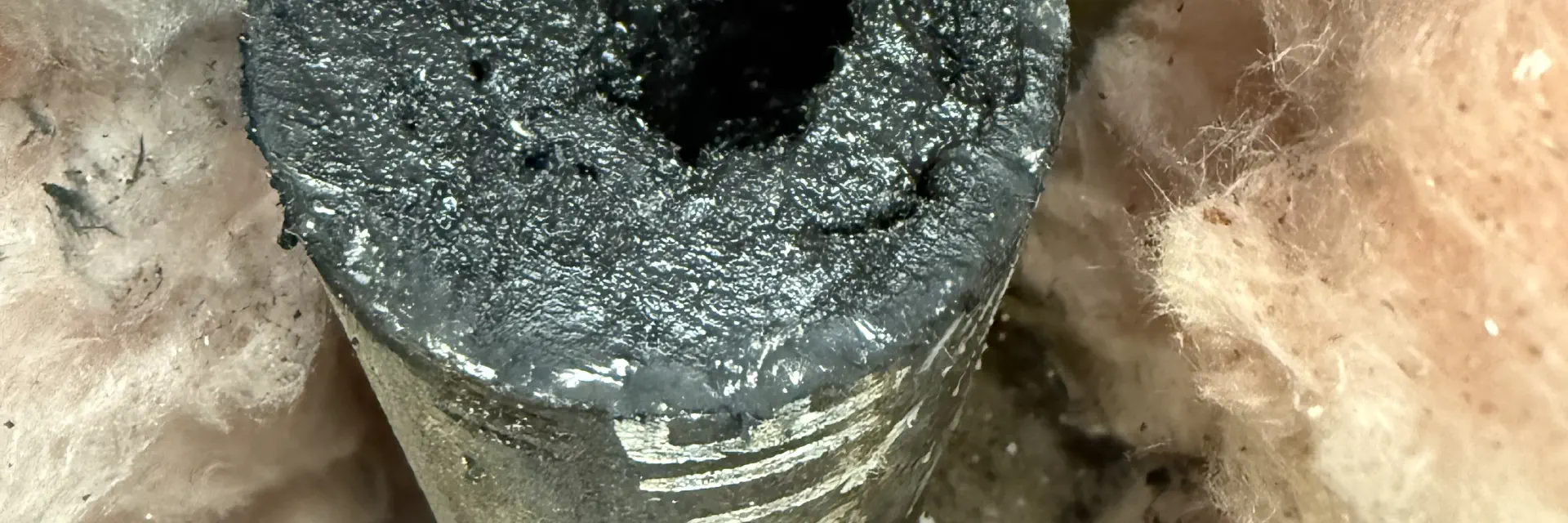
Drain Cleaning for East Valley Homes and Businesses
A backed-up drain is one of the most common reasons East Valley homeowners call a plumber. It’s also one of the most commonly mishandled — either over-treated (recommending a repipe when snaking solves it) or under-treated (pouring chemicals down the line and hoping for the best). We approach drain calls the same way we approach every service: figure out what’s actually wrong first, then fix it.
What Drain Cleaning Actually Is
Drain cleaning is mechanical removal of whatever is restricting or blocking a drain line. The restriction could be grease, hair and biofilm, soap scum, mineral scale, debris, or root intrusion — and each of those responds differently to different tools. “Drain cleaning” isn’t one thing; it’s a category that includes cable snaking, high-speed mechanical cleaning, and camera inspection, applied based on what the line actually needs.
The goal isn’t just to punch a hole through the clog and call it done. The goal is to leave the line running the way it’s supposed to, understand why it backed up, and give the homeowner an honest picture of what to expect going forward.
The Most Common East Valley Drain Calls
Kitchen sinks are the most frequent call. Grease goes down liquid and solidifies. Soap scum binds to pipe walls. Over time the buildup narrows the line, slows drainage, and eventually causes a full backup. This is a mechanical cleaning job and usually a good candidate for high-speed drain cleaning when buildup is significant, because grease responds well to the scrubbing action that high-speed equipment provides.
Showers and tubs back up from hair and biofilm accumulation. Hair catches at the drain assembly and in the P-trap, and the buildup is usually close to the fixture. A cable snake handles most of these effectively. High-speed cleaning is warranted when buildup has migrated further down the line or the drain has been slow for an extended period.
Mainlines are a different problem. In Gilbert, Chandler, Mesa, and other East Valley cities with mature housing stock from the 1980s through early 2000s, root intrusion is the most common mainline culprit. Tree and shrub roots find pipe joints — especially at or near the toilet flange — establish themselves, and gradually choke the line. A mainline backup is usually the first symptom. A camera inspection tells us exactly what we’re dealing with and where.
Floor drains in garages, laundry rooms, and older utility areas catch everything that finds its way to the floor. Debris, sediment, and neglect are the usual causes. These respond well to mechanical cleaning but occasionally reveal more significant drain system issues underneath.
Cable Snake, High-Speed Mechanical, or Camera — When Each Is Right
These aren’t competing options. They’re different tools for different jobs.
| Tool | Best For | Limitations |
|---|---|---|
| Cable Snake | Branch line clogs (hair, soft debris, minor grease) | Punches through blockage but doesn't clean pipe walls; grease and biofilm may recur |
| High-Speed Mechanical | Grease, biofilm, scale buildup, root intrusion, mainlines | More thorough — appropriate when buildup is the issue, not just a single blockage |
| Camera Inspection | Recurring backups, suspected root intrusion, pre-purchase inspections | Diagnostic only — identifies the problem, doesn't fix it |
High-speed drain cleaning is the approach we’re best known for in the East Valley. Most competitors in the area are still leading with cable snakes for everything. High-speed mechanical cleaning uses a rapidly spinning chain knocker or nozzle that scrubs the interior pipe wall rather than just boring through the center of a clog. For grease, biofilm, and root intrusion, the difference in results is significant.
Camera inspection is warranted when the symptom pattern suggests something beyond a standard clog — multiple fixtures backing up at once, a mainline that’s backed up before, or situations where a homeowner wants to know the condition of their lines before buying a home or starting a remodel.
Mainline vs. Branch Lines
Branch lines are the individual drain pipes serving each fixture — your kitchen sink, each shower, each bathroom basin. They typically run 1.5–2 inches in diameter and serve one fixture or a small cluster.
The mainline is the 4-inch pipe that everything feeds into, running from the house to the city sewer connection at the street. A mainline backup affects multiple fixtures simultaneously: you’ll notice water backing up in the tub when you flush the toilet, or the lowest drain in the house overflowing when another fixture is used.
Branch line clogs are usually isolated to one fixture and are the simpler fix. Mainline backups need more attention, and in older East Valley neighborhoods they often need a camera inspection to rule out root intrusion before we can tell you what ongoing maintenance (or repair) actually looks like. If we find that the line itself is failing, we’ll tell you honestly. See repipes for what that conversation looks like.
Why “Diagnostic” Is in Our Name
We get drain calls where a previous contractor told the homeowner they needed a full repipe. Sometimes that’s true. More often, the line has root intrusion at one joint, or a localized grease blockage that snaking didn’t fully clear, or a bellied section that collects debris. Those are targeted repair or cleaning situations, not repipe situations.
We use camera inspection when the symptom pattern warrants it, not as an upsell. The point is to know what’s actually in the pipe before recommending a solution. A drain call that reveals root intrusion at the toilet flange is useful information; it tells us what to clean, what to monitor, and at what point a repair becomes the smarter investment than repeat cleanings.
Why We Don’t Recommend Chemical Drain Cleaners
Chemical drain cleaners — sodium hydroxide (lye), sulfuric acid, and similar formulations — are sold as a quick fix and work poorly as one. Here’s what they actually do:
They don’t reliably clear clogs. The active chemistry etches the surface of a hair or grease mass and flows around it. For a dense clog, the drain may run briefly and back up again within days. The clog is still there; the chemical has just masked the symptom temporarily.
They damage your plumbing. Sodium hydroxide degrades rubber gaskets and seals — the same components that keep your P-trap and drain assembly from leaking. Repeated use corrodes older steel and galvanized pipe. Even some plastics are vulnerable to prolonged contact with concentrated caustics.
They create a hazardous situation for the next person in the drain. If a chemical treatment fails and you call a plumber, the technician opens a drain with active caustic chemistry in it. That’s a chemical exposure risk — to skin, eyes, and respiratory tract. It also complicates whatever mechanical work needs to happen, because we’re now working around a corrosive environment.
The alternatives work better without the downsides. Hot water flushes dissolve grease and help keep soap scum moving. Enzyme-based drain treatments use biological activity to break down organic buildup gradually — safe for pipes, septic systems, and the people using the drain. These aren’t a substitute for mechanical cleaning when a line is restricted, but they’re the right maintenance tool between professional visits.
If you’ve already used a chemical drain cleaner and the drain is still backing up, tell us when you call. We’ll work safely with that knowledge.
Warning Signs You’re Headed for a Backup
Drain problems rarely appear without warning. The signals are easy to ignore until the drain overflows:
- Slow drainage that has been getting progressively worse over weeks or months
- Gurgling sounds from a drain when a nearby fixture is used — air displacement from a partial blockage
- Multiple slow drains at once, which points to a mainline restriction rather than an isolated branch clog
- Recurring backups — a drain that has been snaked before and is slowing down again
- Sewage odor from a floor drain or infrequently used fixture, which can indicate a dry trap or a venting issue
If you’re seeing any of these, the drain is telling you something. Addressing it before the backup saves you cleanup, potential water damage, and the emergency-call premium that comes with a drain that chooses to fail at 9 p.m. on a Saturday.
Maintenance Cadence
We don’t have a formal recurring-maintenance contract — most households don’t need one. Drain lines don’t clog on a predictable schedule, and a cleaning interval that’s right for a household with three teenagers cooking daily is wrong for an empty-nester’s home.
The practical guidance: if a drain has backed up once, the conditions that caused it haven’t changed unless something specific was done differently. Hard East Valley water contributes mineral scale to drain lines over time; a water softener reduces that. Heavy cooking grease benefits from a periodic hot-water flush and enzyme treatment. Mature yards with aggressive root systems near the mainline may warrant a cleaning before the roots re-establish after the last one.
If you have a drain that backs up regularly, call us before it overflows, not after. We’d rather spend 30 minutes keeping your line clear than two hours cleaning up a sewage backup.